OpenAI Model Shutdown Oct 23: Migration Guide

OpenAI model deprecation hits GPT-4, o1 and o4-mini API IDs on Oct 23, 2026. Check the affected aliases, replacement models and a practical migration plan.
OpenAI model deprecation now has a dated cutoff: its API deprecations notice schedules older GPT-4, o1, o3-mini and o4-mini identifiers for shutdown on October 23, 2026. An app that still sends one of those identifiers needs an explicit replacement and a tested rollout; changing a model name without checking its outputs, tools and access is not a migration. As of October 13, the notice lists 12 entries in its main October table and five additional fine-tuned model families in a separate table, with several bare aliases covered by those entries.
Key Takeaways:
- Search both dated snapshots and bare names such as
gpt-4ando4-mini; OpenAI lists affected aliases next to the snapshots. - Match each old identifier to the replacement on OpenAI's page. There is no one-size-fits-all GPT-5.6 target.
- Treat a missing model as a request failure, not a signal to silently pick another model.
- Fine-tuned behavior does not transfer when you replace a base model. Check training eligibility before planning another fine-tune.
Which OpenAI models shut down on October 23?
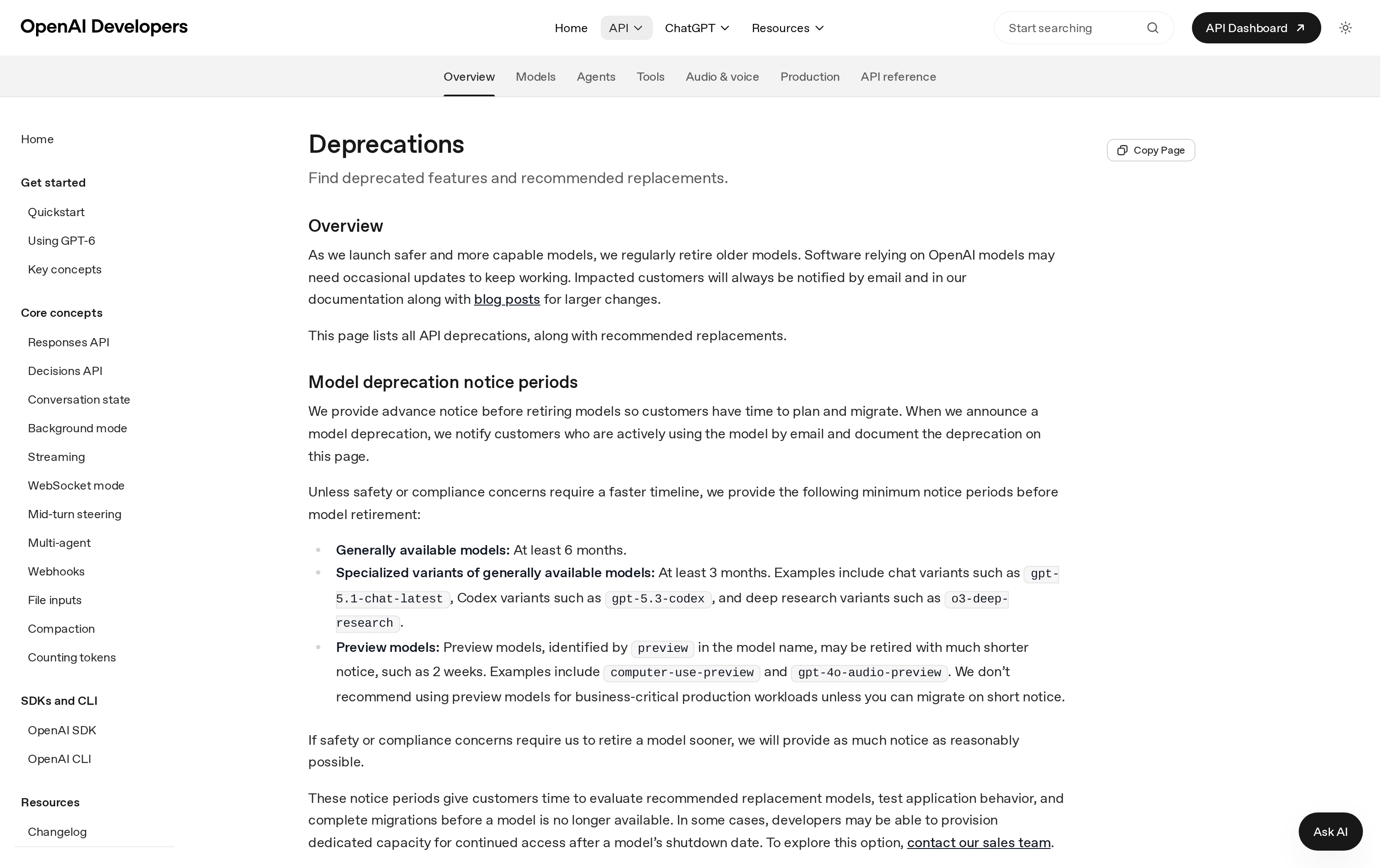
As of October 13, 2026, the April 22 legacy-model entry schedules these API identifiers for October 23: gpt-3.5-turbo-0125, gpt-4-0613, gpt-4-1106-preview, gpt-4-turbo, gpt-4.1-nano, gpt-4o-2024-05-13, gpt-image-1, o1-2024-12-17, o1-pro-2025-03-19, o3-mini-2025-01-31, ft-o4-mini-2025-04-16 and o4-mini-2025-04-16. The same entry names aliases, including gpt-3.5-turbo, gpt-4, gpt-4-turbo, o1, o1-pro, o3-mini and o4-mini. Read the table's alias column rather than searching only for year-stamped strings.
One wrinkle is worth flagging: the page also lists gpt-4-1106-preview under an earlier March 2026 shutdown. Its October appearance should not be read as evidence that a March-removed model works today. Confirm actual availability for your project instead of relying on either row to infer present access.
Keep your work useful when a model ID changes
Zentor keeps workspace memory available across AI tools. It does not migrate OpenAI API calls or fine-tuned models for you.
Get early access →
What happens when an old model stops answering?
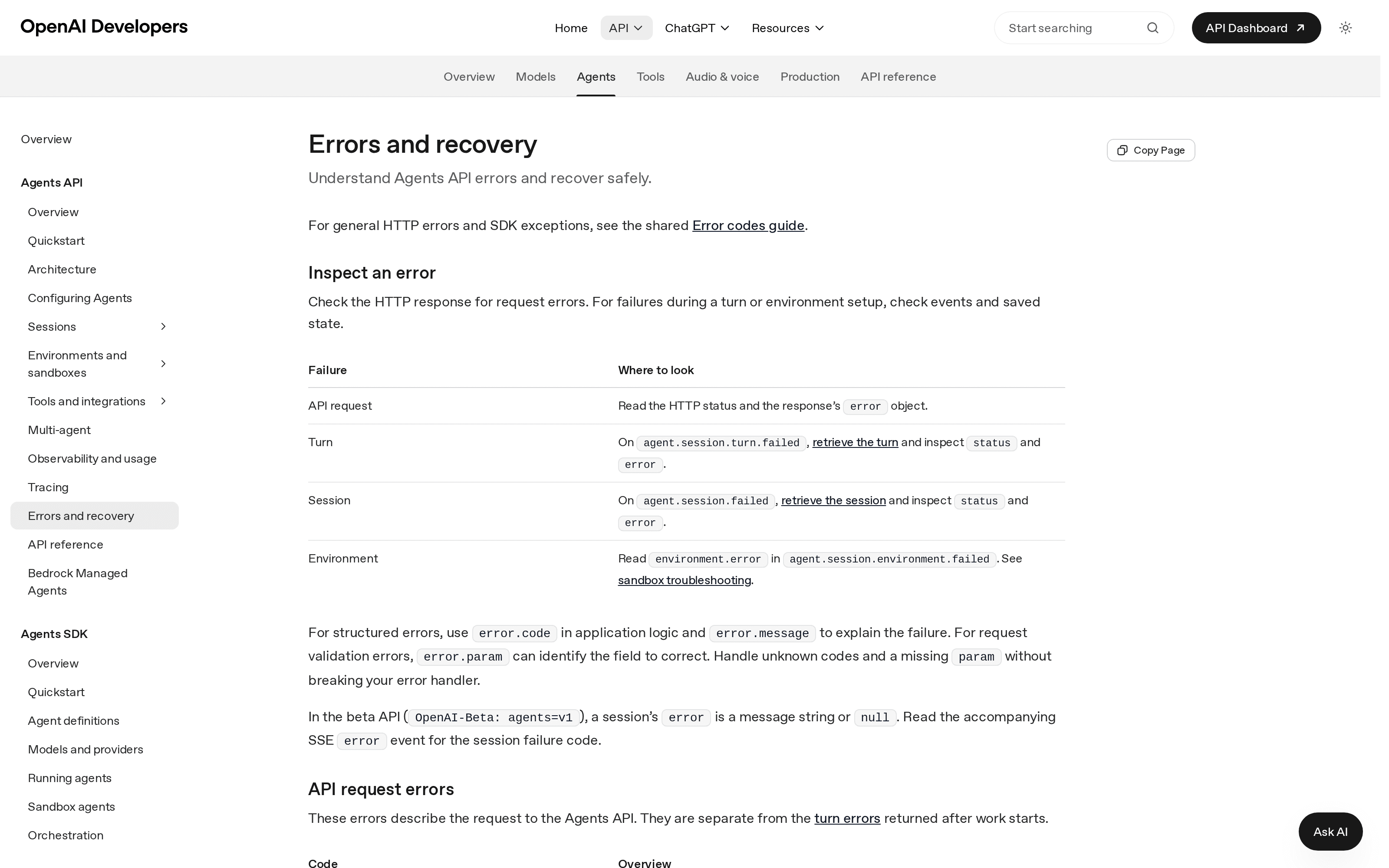
OpenAI defines shutdown as the point when a model or endpoint is no longer accessible. Its Agents API error guide documents HTTP 404 with model_not_found when a requested model is unavailable; the general error guide maps a missing resource to NotFoundError in the Python library. Neither guide promises a particular error message or status for every endpoint, SDK and project. Don't hard-code a quoted error string as your only alert.
Suppose an evening report calls o4-mini through a saved workflow while its owner changes the model in a different dashboard. That other change doesn't repair the saved workflow. Log the actual requested model and error code, route the failure to its owner, and verify that the replacement was selected deliberately. The official deprecation notice offers replacement recommendations, not a promise of automatic forwarding.
Use OpenAI's replacement mapping, not a bulk rename
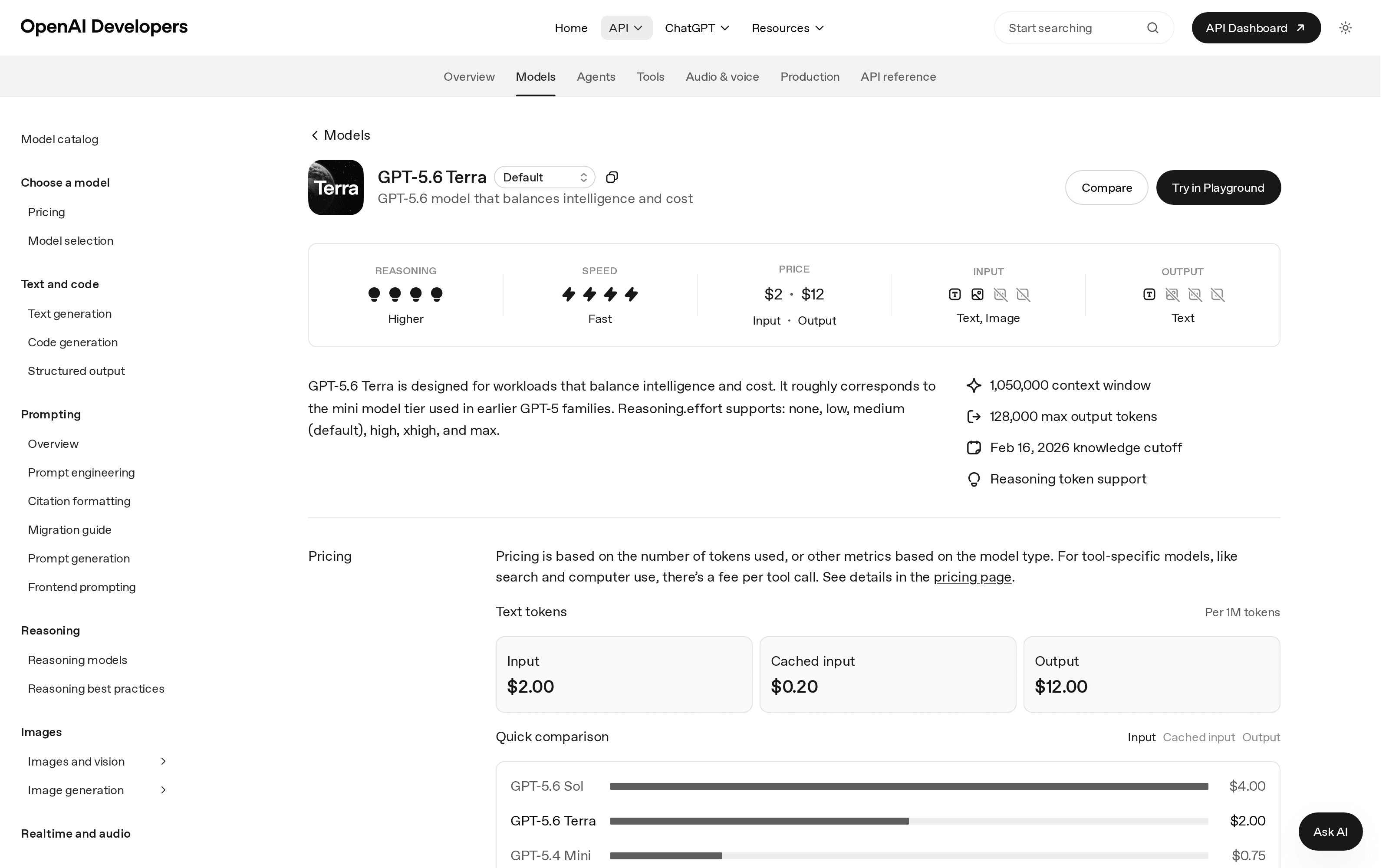
The October table maps the GPT-4 family, gpt-4o-2024-05-13, o1 and o3-mini to gpt-5.6-sol. It directs gpt-3.5-turbo and o4-mini to gpt-5.6-terra, gpt-4.1-nano to gpt-5.6-luna, and gpt-image-1 to either gpt-image-2.5-sunburst or gpt-image-2.5-flare. For o1-pro, the table specifically names gpt-5.6-sol with reasoning.mode: pro. These are recommendations as of October 13, 2026; check the live notice again when deploying.
| Current task | Affected identifier example | Official starting point |
|---|---|---|
| General GPT-4 or o1 call | gpt-4, o1 |
gpt-5.6-sol |
| Smaller-model task | gpt-3.5-turbo, o4-mini |
gpt-5.6-terra |
| Nano task | gpt-4.1-nano |
gpt-5.6-luna |
| Image generation | gpt-image-1 |
gpt-image-2.5-sunburst or gpt-image-2.5-flare |
A replacement may differ in cost, latency, accepted parameters or output. OpenAI's Terra model page, Sol page and Luna page describe those models separately. Run a real task through each candidate before signing off; the mapping isn't an assertion that the output will match the old model.
Where bare aliases and framework defaults hide
A search for -2025- will miss o3-mini; a search for gpt-4-0613 will miss gpt-4. Config files, dashboard workflows, environment settings and third-party automation connectors may each store their own model choice. Record the value the running request actually sends, not the value someone expects a library to supply.
LangChain's ChatOpenAI guide shows explicitly supplied models and fine-tuned IDs, but its published examples don't establish the default of every installed version. The brief's claim that a no-argument ChatOpenAI() still defaults to gpt-3.5-turbo could not be confirmed from current first-party documentation; it isn't safe to repeat as a universal fact. Check your installed package, constructor settings and request logs. The same rule applies to no-code automations: inspect the saved step, not merely the platform's latest template.
Fine-tuned models need their own migration plan
OpenAI separately lists ft-gpt-3.5-turbo, ft-gpt-4, ft-gpt-4.1-nano-2025-04-14, ft-babbage-002 and ft-davinci-002 for October 23. ft-o4-mini-2025-04-16 appears in the main table. A listed replacement base model is not your trained model moved to a new address. Preserve your authorized training examples and evaluation cases; then determine whether rebuilding behavior by prompting or a newly eligible training run is possible in your organization.
There is a constraint here that a casual “just retrain” instruction misses. OpenAI's self-serve fine-tuning update limits which organizations can create new jobs, while saying fine-tuned inference lasts only until the underlying base is deprecated. The named Sol, Terra and Luna model pages currently mark fine-tuning not supported. Verify access and a separately supported training base before promising a retrained successor; a replacement base in this table is not itself a fine-tuning offer. If training isn't available, qualify an untuned model on the same cases and document any feature you cannot recover.
Audit, replace and test before October 23
Put each affected call into a small migration ledger: owner, model sent, API surface, traffic source, fine-tune dependency, proposed replacement and an acceptance test. Then work through these checks:
- Search application and workflow settings for both dated IDs and unsuffixed aliases. Include saved automations, image calls and older jobs that run infrequently.
- Compare the live OpenAI notice with the ledger, and check that each proposed new model is available to the project making the call.
- Replay representative tasks in staging. Check output quality, structured responses, tool calls, cost and latency against your own baseline; test a missing-model failure as well.
- Deploy behind a reversible configuration change, monitor failures by requested model, and keep an owner on the alert through the cutoff.
If you operate a small business rather than the API yourself, ask your software provider which model identifier it sends and whether it has tested the replacement. For work you run inside Zentor, its integrations page describes model choices, but that does not certify any independent OpenAI API workflow you own. The earlier Zentor guide to model orchestration explains why a task and its selected model are different layers; don't mistake that architectural point for a guarantee that every model swap is behavior-preserving.
Pin model IDs or preserve the agent's job?
A fixed model identifier buys repeatable testing until its scheduled retirement; an alias reduces configuration changes but still follows the provider's availability rules. Neither choice eliminates migration work. Keep the task definition, permitted tools, memory, evaluation examples and failure owner separate from the model setting. Zentor's workspace memory through MCP is one way to retain context across AI tools, not an OpenAI model migration service or a replacement for regression tests.
For broader shutdown planning, Zentor's transcription deprecation guide covers a different OpenAI deadline. December 1 and December 11 bring separate model retirement waves, according to OpenAI's notice; this checklist concerns October 23.
FAQ: OpenAI model deprecation on October 23
Will GPT-4 still work after October 23, 2026?
OpenAI lists gpt-4 alongside gpt-4-0613 for the October shutdown. A separate product's ChatGPT model picker is not evidence that your API identifier remains accessible. Confirm your actual API request against the current notice.
Does the bare name o4-mini count?
Yes. OpenAI lists o4-mini as an alias of o4-mini-2025-04-16, with gpt-5.6-terra as its recommended replacement as of October 13, 2026.
Are all gpt-4o and o3 models removed on October 23?
No. The October table names gpt-4o-2024-05-13 and o3-mini-2025-01-31, not every GPT-4o or o3 identifier. Check exact IDs; o3-2025-04-16 belongs to a separate December 11 notice.
Will my fine-tuned model transfer automatically?
No transfer path is promised in the retirement notice. It names replacement base models, which still require your own qualification. Their model pages currently mark fine-tuning unsupported, so don't promise a new fine-tune on those named models. Keep a working evaluation set before the old model disappears.

Zentor Editorial Zentor editorial team
The Zentor editorial team writes about workflow automation, AI agents, and the tools we build. Default byline for industry overviews, listicles, and collaborative pieces.
Ready to put this into practice?
Zentor runs browser tasks, research, and schedules automatically. Try it free.