STEPX Neo: The Agent-Native Phone Explained
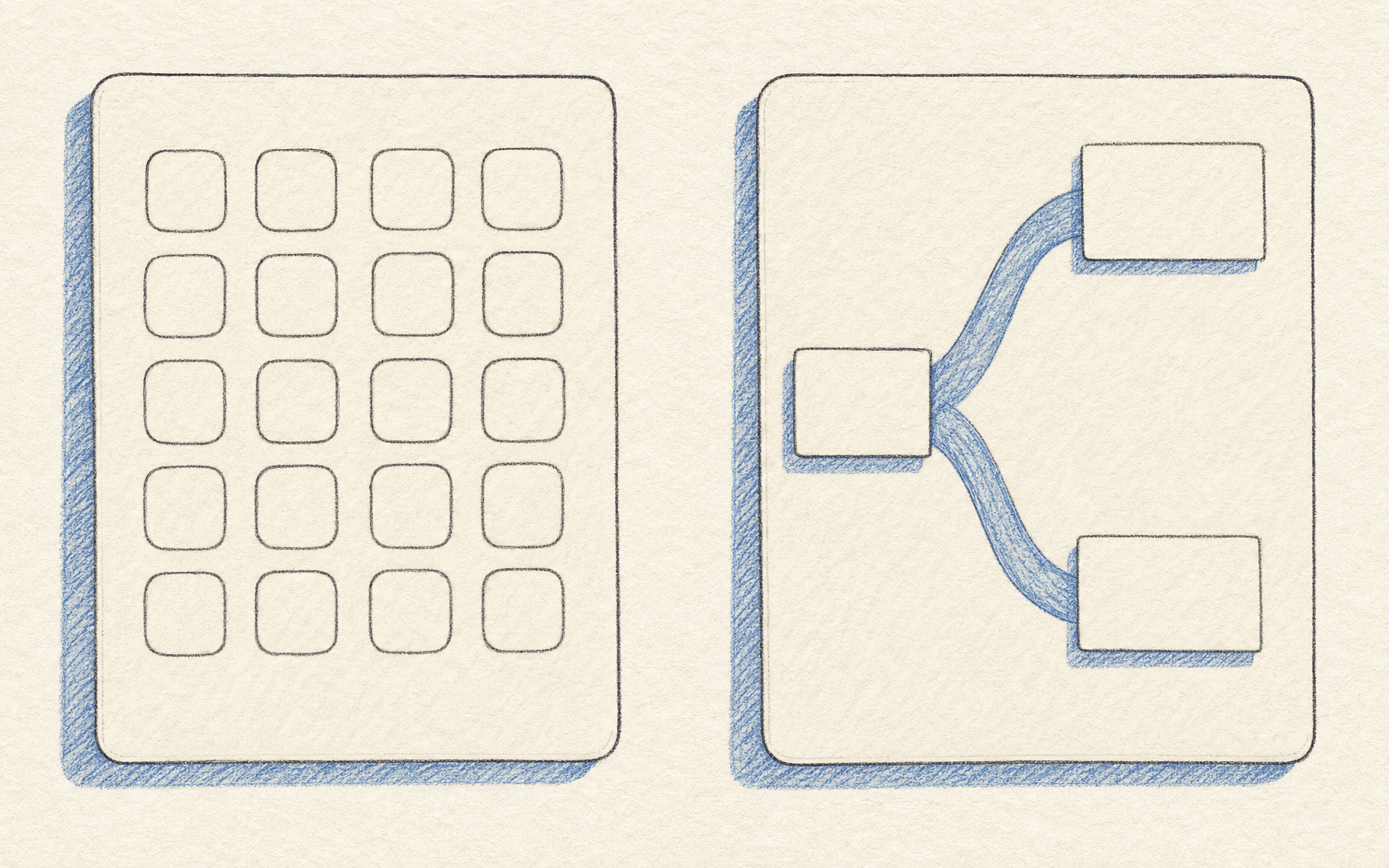
STEPX Neo puts Amoo in Step AOS rather than an app. See how its MCP services, China price, partners and OS-level permissions change the agent phone pitch.
STEPX Neo is StepFun's attempt to make an agent a phone's operating principle rather than another assistant icon. Its Step AOS 1.0 exposes phone functions to the built-in Amoo agent, while keeping a conventional app grid. Preorders opened October 13, 2026; the first sale was October 16, and Decrypt's account appeared October 17. Those are different events, not three launch dates.
Mateo· built by the Zentor team
An agent for life admin, without buying a phone
Mateo checks your inbox and calendar, finds the trial, the refund and the form you forgot, and handles them. Works in any browser, anywhere.
Ask Mateo →
Free in early access
Key Takeaways:
- STEPX Neo puts Amoo inside Step AOS, with both an agent space and familiar apps.
- Nearly 100 announced partners matter more than a flashy assistant demo, but signed-on access is not proof every task works.
- China's 3,999-yuan price includes a one-year token allowance; later AI charges remain unpublished.
- An OS-level agent deserves scrutiny over data access, approvals and recoverable mistakes.
What is STEPX Neo, and how is it different from a Siri/Gemini phone?
A phone with Siri or Gemini can answer questions and trigger supported actions within an existing mobile system. StepFun instead pitches STEPX Neo as an agent-native phone: the agent has its own system-level entry point and access to smaller callable services, not merely a chat app on top. Here “agent-native phone” and “agentic phone” are descriptive category terms; their search volume and competitive difficulty have not been verified, as of October 2026.
Caixin reported the Shanghai introduction on July 13, when StepFun showed the phone, Amoo and Step AOS without a price or release date. For a wider comparison of agent interfaces, see October's personal-agent launch wave.
How does Step AOS 1.0 put the agent in the OS instead of an app?
StepFun says Step AOS 1.0 breaks messaging, apps, files and settings into small callable pieces exposed through Model Context Protocol (MCP). Anthropic's introduction to MCP explains the standard as a way for AI systems to connect with outside data and tools. Using that standard doesn't itself grant safe access: the phone's permission design decides which calls actually run.
There are two entrances: an ordinary app grid and a separate agent space. Beebom reports Android 16 backward compatibility, so “rebuilt around an agent” doesn't mean Android apps have disappeared. The illustration represents task memory, not STEPX software.

See personal AI agents explained.
What can the Amoo agent actually do?
Amoo is meant to infer intent, retain preferences and learned task procedures, then coordinate actions across participating services. Decrypt describes a simple alarm handled by a smaller on-device model, sometimes offline; harder multi-app requests go to a cloud model. StepFun's Step Edge announcement describes device/cloud strategy, not measured Amoo performance.
Imagine asking for a ride to a meeting: the value isn't a spoken answer but a correctly chosen destination, service and confirmation before any charge. Amoo's claimed multimodal abilities and long-term memory need hands-on tests for recall errors, consent and what it shares between apps. Its rear MiniLED panel shows agent status, while a dedicated AI key and six microphones provide physical access points, according to Beebom.
Who are the ~100 partners and why does that matter?
Decrypt lists Alipay, Tencent, Ctrip, Didi and Meituan among nearly 100 connected companies and products. StepFun's proposal is that a requested payment, trip or piece of content remains completed by the participating platform, instead of having an agent read a screen and simulate taps. Partner access isn't an independently measured completion rate.
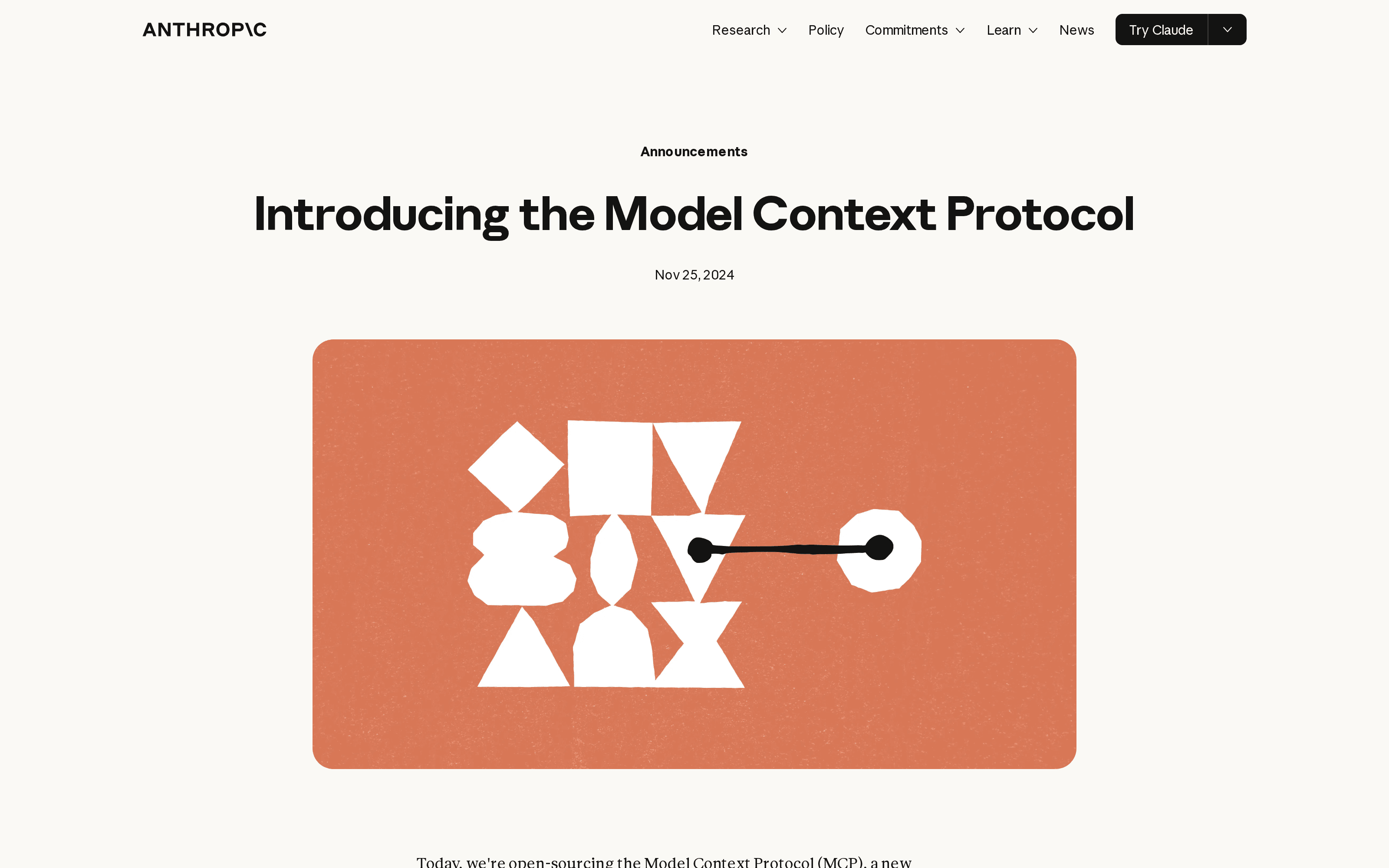
This screenshot records Anthropic's own MCP announcement, not STEPX's implementation. MCP describes a connection format; an individual partner still has to define authorized actions and return usable results. The “human-to-agent-to-agent” or intent-as-a-service framing is an interpretation of StepFun's partnership model, not a verified technical standard. In our Manus Cue explainer, the same distinction between an agent identity and a task actually completed matters.
What does it cost and who can buy it?
China's launch price was 3,999 yuan (about $560). Preorders started October 13 on JD.com, Tmall and Douyin; the first sales event was October 16, according to Decrypt.
The purchase includes the first year of the STEPX Token Plan at 100 billion tokens per month. StepFun had not disclosed later AI charges; task-by-task consumption remains unclear. Beebom lists a 6.36-inch 1.5K 120Hz OLED, Snapdragon 8 Gen 5, 16GB RAM, 256GB storage and 6,145mAh battery; it reports China-only availability and no global launch announcement.
What are the privacy and permission trade-offs of an OS-level agent?
An agent that can call messaging, files and settings may save taps; it also concentrates access. A privacy review should ask what Amoo reads locally, what reaches the cloud on harder requests, which partner receives which fields, and whether a user can inspect and revoke permissions. StepFun's on-device/cloud split is a stated design, not proof that sensitive information never leaves a phone.

Before entrusting purchases or client messages to any OS-level agent, look for explicit approvals, an intelligible activity log and a way to undo or dispute a mistaken action. No independent audit of Neo's permission boundaries, reversibility or retention controls was available in the sources checked here. Zentor's workspace memory takes a different route: it belongs to the user and can reach different AI systems through Zentor MCP, rather than requiring a particular handset. Outside China, Mateo, built by the Zentor team, offers inbox and calendar help in free early access; its approval rules aren't interchangeable with Amoo's.
Need an agent, not a device commitment?
Explore Zentor's portable workspace memory. Ask how access and actions can be reviewed before connecting sensitive work; do not assume any agent makes permissions auditable by default.
Get early access →
FAQ
STEPX Neo price?
Its reported China launch price is 3,999 yuan (about $560), including the first year's monthly token allowance. The AI price after that year was not announced in the October 17 report.
Is STEPX Neo available outside China?
No global launch has been announced. China was the only reported market at the time of writing.
What is Step AOS?
Step AOS 1.0 is StepFun's agent-first phone operating system. It exposes smaller phone services to Amoo via MCP while retaining conventional apps and Android 16 compatibility.
Is Amoo like Siri?
Both can respond to a request, but StepFun designed Amoo as a system-level task agent with its own interface and connected partner services. How reliably it executes those tasks still needs independent testing.

Zentor Research Public data on the AI ecosystem
Zentor Research publishes quarterly data studies on the AI tools ecosystem, drawing on public registries (npm, GitHub, Hugging Face, arXiv, Google Trends). All charts and datasets ship under CC-BY 4.0.
Turn insights into action.
Zentor automates the recurring work your analysis points to. No engineering required.