Influencer CRM: Keep Outreach in Context

Build or choose an influencer CRM that preserves outreach history, campaign commitments, approvals, assets, and follow-up ownership across campaigns.
An influencer CRM keeps track of creators, the commitments made for each campaign, approvals, and follow-ups. When someone else takes over a partnership, they can see what's been agreed on and what still needs a decision without digging through every chat. Unlike a contact spreadsheet, it preserves the relationship history and the source of each commitment.
Key Takeaways:
- Keep one relationship record for each creator, but track agreements for different campaigns separately.
- Before scheduling a follow-up, record what was actually agreed on and where the dates came from.
- Treat content approval and permission to publish or use content in paid promotions as separate decisions.
Here's a quick hypothetical. A creator sends over video version 3 while the account manager is out. In a decent CRM, you should be able to open the record and immediately see: the approved brief is linked, organic publishing is already signed off, but paid usage rights are still marked pending. The last note from the manager says no extra fee or longer duration has been agreed yet, and it links straight to the creator's message. Brand lead is supposed to reply by Friday. Anyone stepping in can green-light the organic post, hold off on any paid push, and chase the missing terms, without having to hunt through old threads.
What an Influencer CRM Needs to Remember
The hard part starts after outreach: a teammate must preserve what was offered, who answered, and what remains open. Creator relationship management records the creator's representative, why the brand reached out, promises on both sides, and the next decision. A creator might accept a gift, decline a paid brief, then return for another product. One "interested" status blurs those separate deals.
Save the date, channel, participants, factual note, and source link for each important exchange, where permitted. The signed agreement outranks a proposal in chat; both outrank an internal guess. "Asked for longer usage" is observable; "probably willing to lower the rate" is interpretation. Label it so a teammate does not negotiate from a guess.
For each open relationship, show who owns the next move, when it is due, why it matters, and what it depends on. An influencer outreach tracker that says only "last contacted" leaves the key question unanswered: is the creator waiting for feedback, or is the brand waiting for a draft?
Zentor keeps workspace memory that can carry the context of recurring work between AI tools through Zentor MCP; the signed agreement, not remembered context, is still the source of accepted terms.
Keep the context behind your next creator handoff
Zentor carries your working memory between AI tools. Keep campaign approvals and signed terms in their authoritative records.
Get early access →
Structure Creators, Campaigns, and Contacts
An influencer CRM should use linked creator, contact, and campaign records rather than squeezing everything into one creator database. The contact may be a manager, not the creator. Store a negotiated rate on that campaign partnership; a permanent profile is the wrong place for terms that can change next time.
| Record | Fields that earn their place |
|---|---|
| Creator | Creator ID, handle, platform profile, niche, relationship owner, last meaningful contact |
| Contact | Name, role, preferred channel, creator represented, permission to discuss terms |
| Campaign partnership | Campaign ID, creator ID, brief version, compensation type, deliverables, approval owner, next action and date |
| Activity or asset | Date, source link, factual change, file version, review status, reviewer |
The same creator may appear in several campaigns, and a campaign may include several creators. Airtable's linked-record model can represent those connections if you build the CRM there. It will not tell you whether a particular manager is authorized to accept the deal.
The freelancer CRM example separates one relationship from its individual jobs. For creator work, add partnership and asset records so a second collaboration cannot inherit the first one's usage rights.
Track Outreach and Commitments
An outreach entry should preserve the offer and decision sought. "Sent intro" says nothing about whether it involved cash, product, commission, or usage rights. Keep the brief version and channel; add replies and counteroffers as new events.
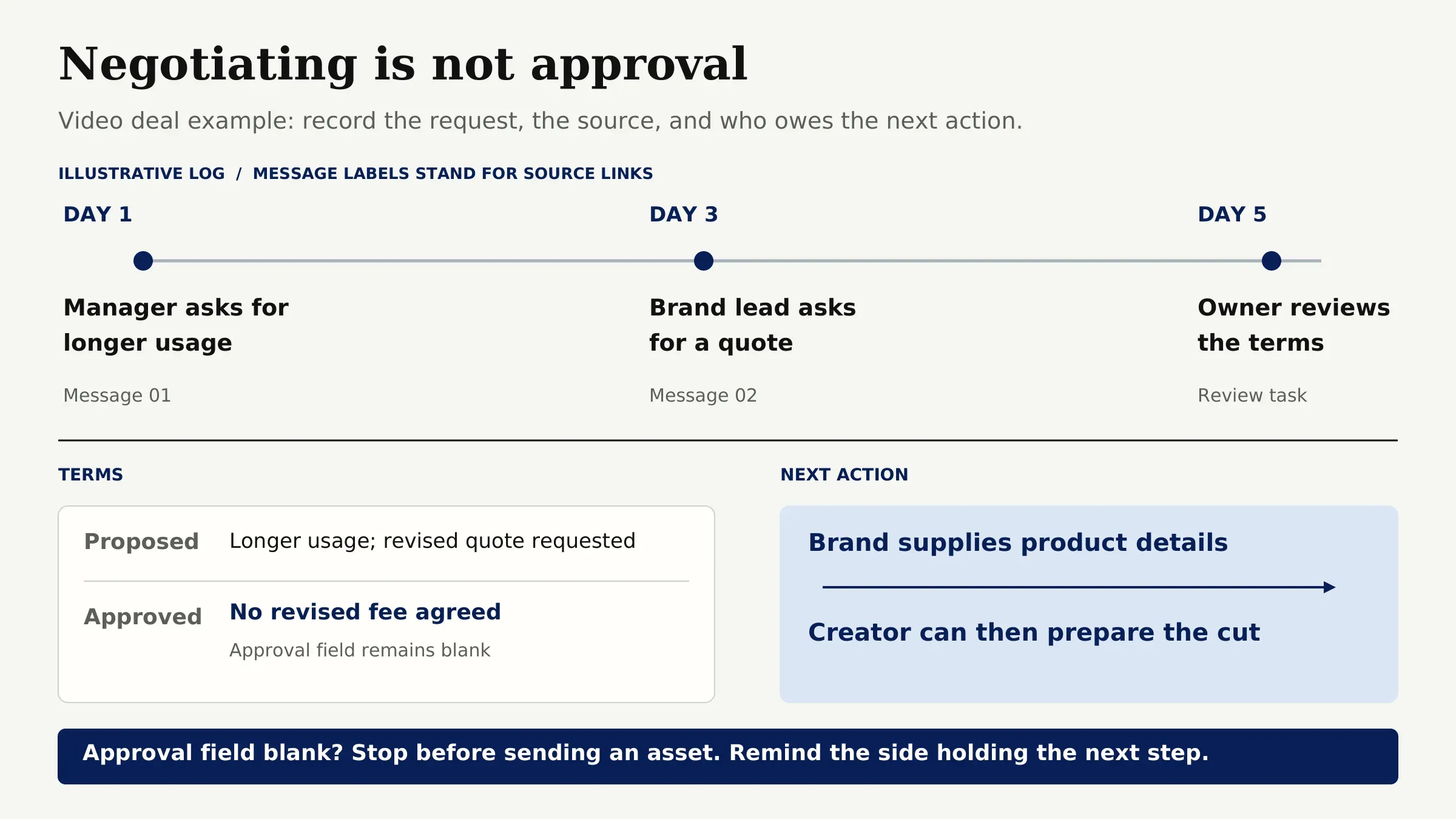
For the illustrative video deal, the log might read: "Day 1: manager requested longer usage; no revised fee agreed. Day 3: brand lead requested a quote. Owner to review by Day 5." Each entry points to its message. "We can discuss it" stays open; a campaign-stage change does not make it approval.
Keep "no revised fee agreed" visible. A stage labeled "Negotiating" could lead a teammate to send an asset under terms nobody accepted. Separate proposed and approved terms; blank approval means stop and check.
Track both sides' commitments. If the creator cannot send a cut until the brand supplies product details, a reminder to the creator will only create noise; the next action belongs to the brand.
Connect Briefs, Assets, and Approvals
Keep the exact brief version the creator received beside each asset. Record the file link, version, submission date, reviewer, feedback, and decision. Approval to post does not automatically cover paid promotion or reuse, and a CRM status cannot expand the agreement.
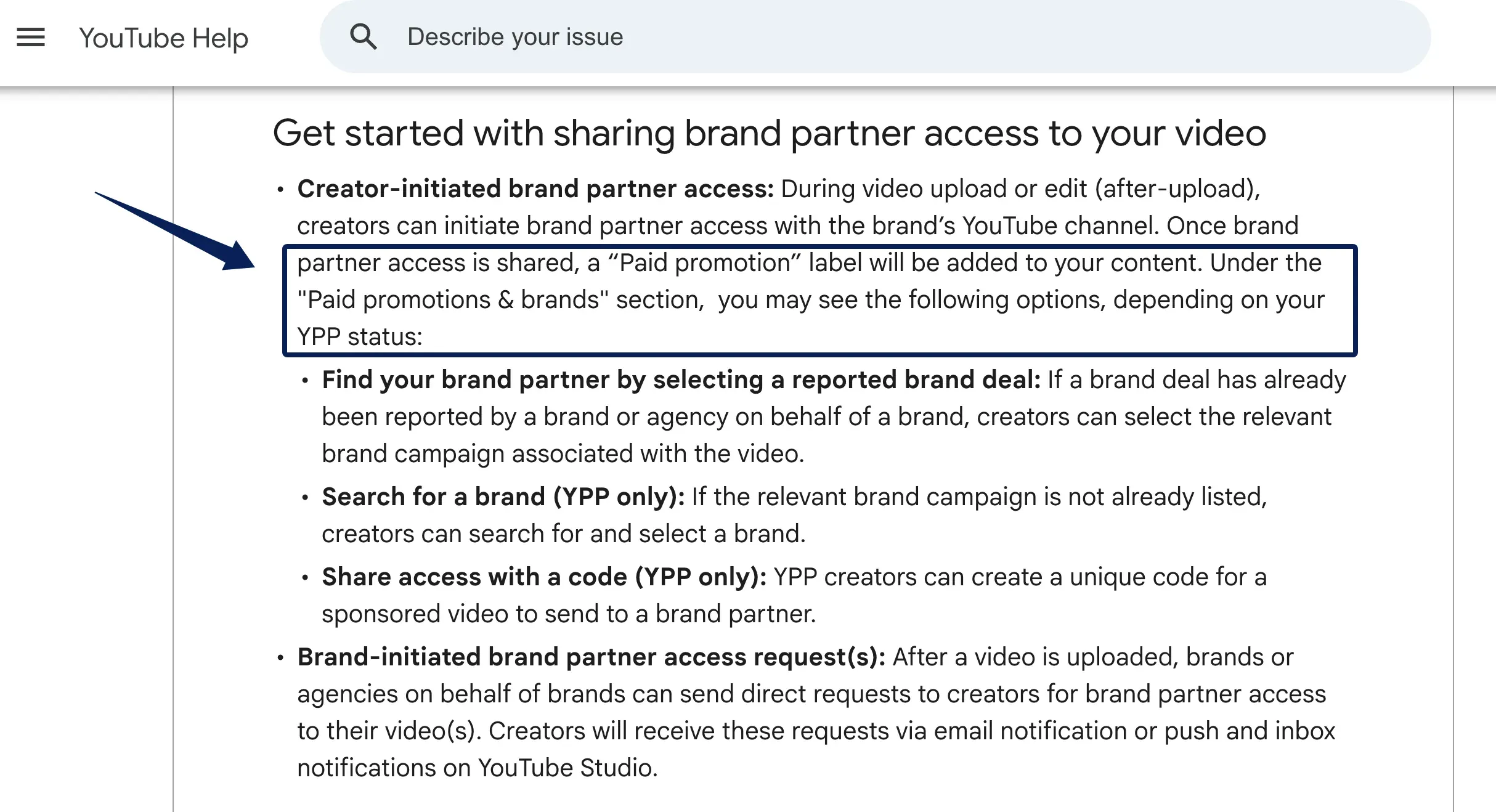
As of October 2026, YouTube's brand partner access can expose video metrics and allow promotion. Available options depend on the creator's eligibility and how access is requested. YouTube advises creators to agree on usage rights separately. In the CRM, keep three decisions distinct: content approval, permission for paid promotion or reuse, and platform access. One does not automatically confirm the others.
Under U.S. FTC guidance, a free or discounted product can create a material connection that requires disclosure, even when no cash payment is involved. U.S. rules may also apply to posts made abroad if their impact on U.S. consumers is reasonably foreseeable. Other markets may have different requirements. Record the target markets, what the creator received, the proposed disclosure, and who will review it before publishing. Do not assume a platform label alone meets every applicable requirement.
Handle Follow-Ups and Relationship History
"Check in Friday" gives a teammate a date but no reason to act. "Ask the manager whether the revised cut includes the agreed claim" gives them a question they can resolve. If a dependency moves the deadline, update the next date and keep a note of the change.
When a campaign ends, note what worked, what the creator declined, and whether they are open to another approach. A one-time concession is not a standing preference. The next proposal can use that history as context, but the old fee and usage license still need checking. That distinction also appears in Zentor's AI workspace guide: remembered preferences help with context, while current terms need a fresh source. The signed agreement remains the authority.
Before reopening an old record, confirm that the representative, contact permission, and usage rights still hold. A summary from the last campaign cannot confirm today's terms.
Evaluate Build, Template, and Dedicated Tool Options
For a small roster, a database may be enough if someone owns its upkeep. A template only saves time when it keeps creator, campaign, contact, and asset histories separate. A dedicated influencer CRM may add discovery or outreach, but check the permissions, export path, marketplace access, messaging behavior, and the price of the plan you would actually use. More features will not fix an unassigned next step.
A home-built campaign CRM still needs an owner. Someone has to merge duplicate creators, replace a manager who has left, and close expired approvals. Without that routine, a flexible setup can become harder to trust than a simpler process with fewer fields. A dedicated platform earns its subscription when it makes those handoffs easier to verify, not when it merely adds stages to the pipeline.
Zentor's self-learning skills can adapt to recurring work, but they do not make a stale license or an unapproved brief valid. Keep the campaign record and human approval in your CRM.
To test a shortlist, enter one creator with a manager, two campaigns with different terms, and an asset awaiting approval. Then give a teammate the record without access to your inbox. Can they identify the latest brief, who can approve the asset, whether paid usage is permitted, and who owns the next action? If any answer requires searching private messages, find the missing record or source link before adding another pipeline stage. The test is whether someone else can make the right next decision, not how many fields the CRM contains.
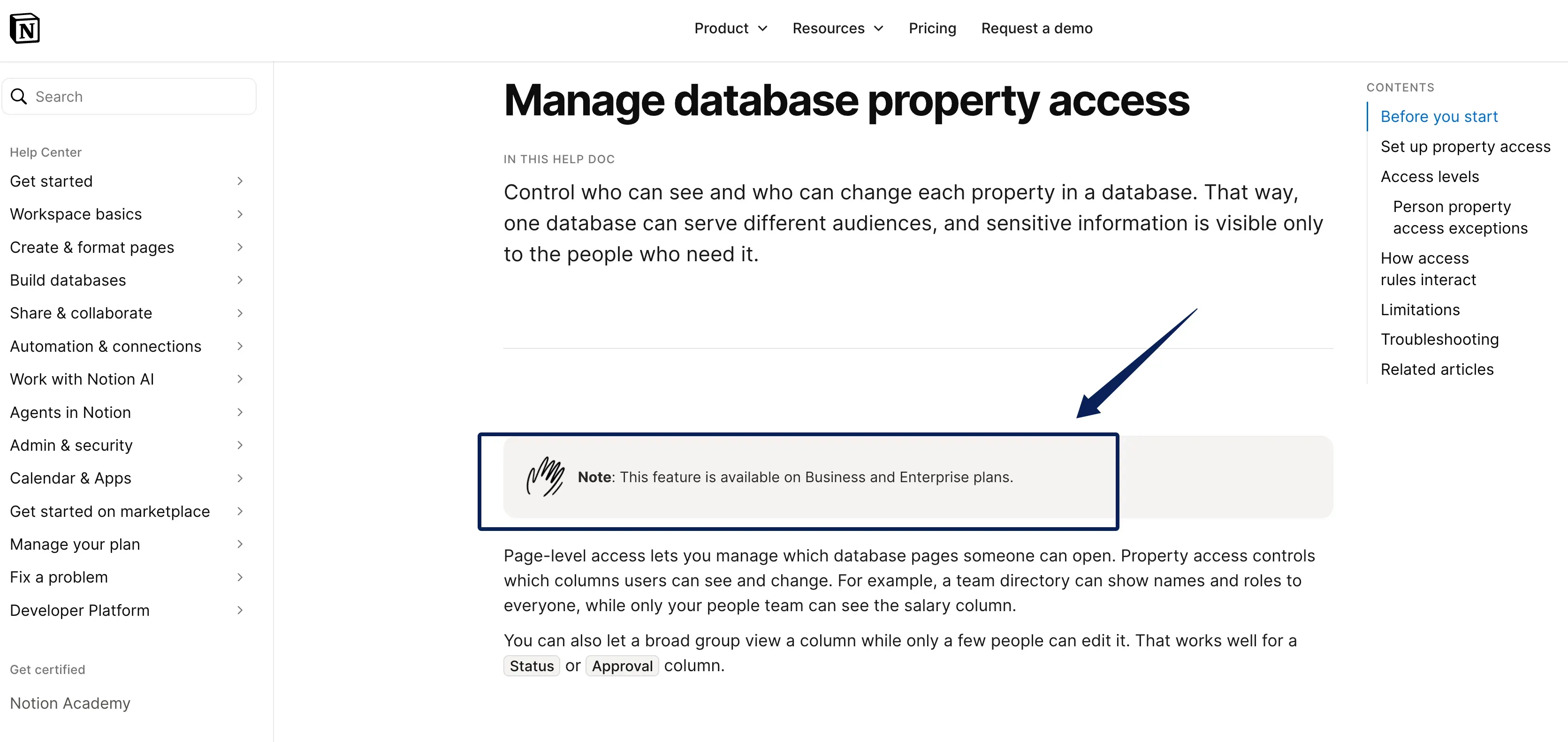
Rates and negotiation notes need narrower access than a public creator profile. A shared sheet may show every rate to every editor; Notion offers database property-level access controls on Business and Enterprise plans. Check the contractor view before sharing, limit access to negotiation files, and assign someone to remove it later. The FTC's advice to retain only needed personal information is a useful starting point for setting a review and deletion schedule.
FAQ
How should talent managers and creators share records?
Give a manager or creator a limited view of their brief, deliverables, and approved dates. An editable internal record could expose other creators' rates or negotiation notes. Note who can accept terms and verify a replacement representative before redirecting approvals.
How should one creator's profiles across platforms be managed?
Use one internal creator ID and link each verified platform profile to it. Keep handles, profile URLs, and platform-specific notes separate so a username change does not erase relationship history. Before merging two records, confirm that they belong to the same creator rather than relying on similar names or handles. A talent manager should remain a separate contact, even when they represent several creators.
Do influencer CRM tools connect directly to creator marketplace accounts?
Sometimes, but the word "integration" is not enough to tell you what it does. Check which marketplace is supported, whether the connection is official or based on an export, what it can read or change, and who authorizes it. Access to a creator platform does not automatically give the CRM access to that account.
How should an influencer CRM handle disclosures across countries?
Track where the campaign will run, which audiences it targets, and which disclosure requirements need review. Keep the creator's compensation details, proposed disclosure wording, and approval owner linked to the campaign. Do not assume that a disclosure accepted on one platform or in one country will work everywhere. For cross-border campaigns, have the responsible team review the applicable rules before publication.
What should be archived after a campaign ends?
Keep the approved brief, final assets, agreement reference, disclosure decision, publication links, key approvals, and a short relationship note. Preserve the versions and owners that may matter for renewal. Private contact data and discarded drafts do not need to live forever; follow the retention period your team has set.
Carry Creator Context Into the Next Campaign
Before you pull up an old creator record for a new campaign, it's worth checking whether any usage rights have expired and whether there are still unanswered requests sitting there. Just seeing a published post doesn't answer either question. Keep the approved terms and the current next-owner attached to the campaign itself, so the next person doesn't have to piece it all together from old messages.

Zentor Editorial Zentor editorial team
The Zentor editorial team writes about workflow automation, AI agents, and the tools we build. Default byline for industry overviews, listicles, and collaborative pieces.
Ready to put this into practice?
Zentor runs browser tasks, research, and schedules automatically. Try it free.